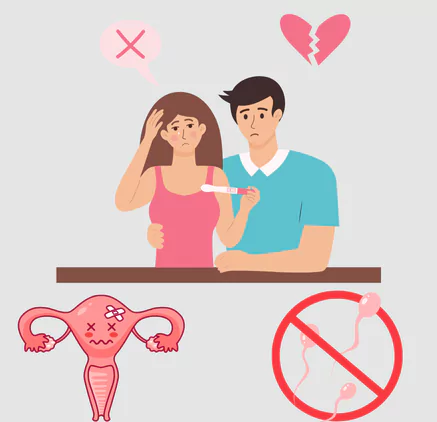
What is Yoga Therapy for Infertility?
Yoga therapy for infertility is a specialized form of yoga practice designed to support reproductive health and fertility. It includes a combination of poses (asanas), breathing exercises (pranayama), relaxation techniques, and meditation to improve circulation, reduce stress, balance hormones, and promote emotional well-being. The goal is to create a healthy, balanced environment within the body that supports conception.
How can yoga help with infertility?
Yoga can support fertility in several ways : Stress reduction: Chronic stress can disrupt hormone balance and ovulation, making it more difficult to conceive. Yoga helps reduce cortisol levels and promote relaxation, which can create a more favorable environment for conception. Improved blood flow to reproductive organs: Certain yoga poses help increase blood circulation to the pelvic area, which can enhance ovarian function and uterine health. Hormonal balance: Yoga helps regulate the endocrine system, which is responsible for hormone production. This can be particularly beneficial for those with hormonal imbalances, such as PCOS (Polycystic Ovary Syndrome) or irregular menstrual cycles. Increased mindfulness: Yoga encourages awareness of the body, which can help individuals become more in tune with their reproductive health. This mindfulness can extend to diet, lifestyle choices, and emotional well-being, all of which are important factors in fertility. Emotional support: The emotional aspects of infertility can be challenging. Yoga offers a calming, grounding practice that supports mental health, reduces anxiety, and helps individuals cope with the emotional ups and downs of trying to conceive.
Is yoga safe for people with infertility?
Yes, yoga is generally safe for people dealing with infertility, but it is important to practice under the guidance of a certified instructor who has experience working with those trying to conceive. Some modifications may be needed, particularly if there are specific medical conditions (e.g., endometriosis, PCOS, or previous miscarriages). The key is to practice yoga in a way that is gentle and nourishing, rather than intense or stressful.
How often should I practice yoga for infertility?
For optimal results, aim to practice yoga at least 3-4 times a week. Even if you are just starting out, short daily sessions (15-30 minutes) can be beneficial. Consistency is key in helping regulate the body and mind, so creating a regular practice can help improve hormonal balance, reduce stress, and support reproductive health.
Can yoga cure infertility?
While yoga cannot cure infertility, it can support the body and mind in ways that make conception more likely. By reducing stress, improving circulation to the reproductive organs, balancing hormones, and increasing overall well-being, yoga can complement other fertility treatments, such as medication or assisted reproductive technologies (ART). It’s important to approach yoga as part of a comprehensive fertility plan that may include medical treatment, diet, and lifestyle changes.
Can yoga help with conditions like PCOS or endometriosis?
Yes, yoga can help manage conditions like Polycystic Ovary Syndrome (PCOS) and endometriosis by : Regulating hormones: Yoga helps balance the endocrine system, which is important for individuals with PCOS who may experience hormone imbalances. Reducing stress: Stress can exacerbate symptoms of both conditions. Yoga’s relaxation techniques can help reduce anxiety and improve emotional well-being. Improving blood flow: Certain yoga poses improve circulation to the reproductive organs, which may help alleviate discomfort and promote overall reproductive health. Managing symptoms: While yoga cannot cure PCOS or endometriosis, it can help manage the physical and emotional symptoms of these conditions, such as pain, stress, and irregular cycles.
What should I expect in a Yoga Therapy class for infertility?
In a yoga therapy class designed for infertility, you can expect: Gentle poses & Cleansings: The class will likely focus on poses that help open the hips, improve circulation to the pelvic region, and relieve tension. The movements will be slow and supportive, emphasizing relaxation. Breathing exercises: You’ll practice pranayama techniques that help reduce stress and promote emotional calmness. Mindfulness and meditation: Classes may include mindfulness practices or guided meditation to help you manage emotional stress and increase mental clarity. Emotional support: Instructors who specialize in fertility-focused yoga often offer a supportive and understanding environment where participants can feel comfortable discussing their challenges and hopes. Personalized guidance: Depending on the class size and setting, you may receive personalized adjustments or suggestions to modify poses based on your unique needs.
Can yoga help with emotional challenges related to infertility?
Yes, yoga can be very helpful in managing the emotional challenges of infertility. The practice encourages mindfulness, emotional balance, and self-awareness, which can help reduce feelings of frustration, anxiety, or isolation that often accompany infertility struggles. Yoga’s focus on relaxation and stress reduction helps calm the mind and provides an emotional outlet. The supportive, non-judgmental nature of a yoga practice can also foster a sense of community and emotional healing.
Is yoga suitable for beginners with infertility?
Yes, yoga is suitable for beginners, and many fertility-focused yoga classes are designed to be accessible to people new to yoga. Classes typically emphasize gentle movements and modifications to accommodate various fitness levels. If you’re new to yoga, start with gentle or restorative styles, such as Hatha yoga or Yin yoga, which focus on slow movements and deep relaxation.